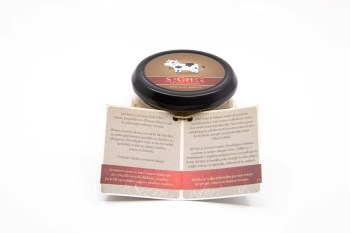
In Brahminical culture, cows hold a central and revered position. The teachings of scholars like Śrila Prabhupada emphasize the significance of cow protection, considering cows as holy animals. The sacred mother cow roams freely in Indian landscapes, embodying a gentle and harmonious existence unfazed by the bustling sounds of modern life.
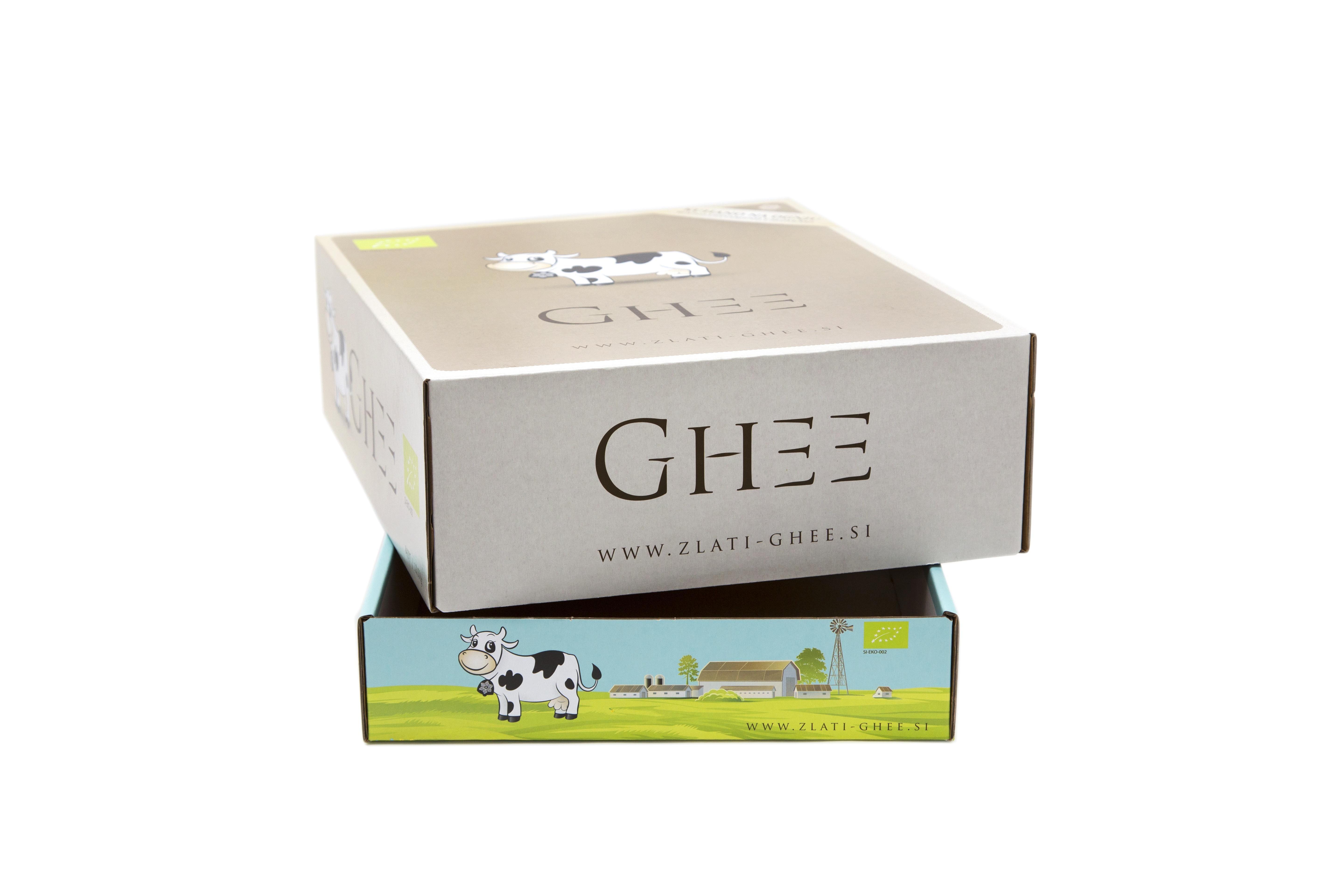
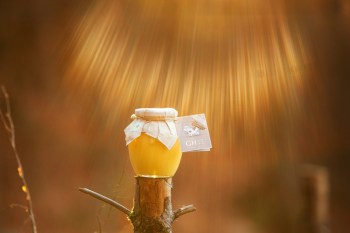
Ghee, often referred to as 'the essence of milk,' finds its origins in the benevolent mother cow. This remarkable animal holds profound meaning for families in diverse landscapes, from the Russian steppes to the Mongolian expanses and the heart of Indian culture. The process of obtaining Ghee is not merely a culinary practice but a sacred ritual that acknowledges the nurturing connection between humans and cows.
In regions where the milk for Golden Ghee is sourced, the commitment to the best possible lifestyle and well-being of cows spans over four decades. This commitment extends beyond milk production efficiency to a holistic approach that nurtures the soil, fostering a symbiotic relationship with nature.
During sunny periods, cows graze freely on hilly, mountainous, and flat pastures adorned with colorful flowers and herbs. The environment encompasses elements like gentle sun, fresh wind, clear water, rich soil, abundant grass, and diverse herbs, creating a unique and nurturing ecosystem. This natural habitat contributes to the quality of the milk and, consequently, the Ghee derived from it.
Eco-conscious farmers prioritize food quality over maximum milk production efficiency. Despite yielding, on average, 25% less milk than conventional counterparts, the focus remains on maintaining high-quality diets year-round. This involves thoughtful cultivation of forage grass, clover, corn, cereal, lupine, beans, peas, soya, sugar beet, and other non-genetically modified foods.
A homely and familial regime governs the lives of calves, emphasizing well-being as the cornerstone of a healthy immune system. Practices like free grazing during the warm season and access to specially designed yards with suitable oases and training grounds in winter contribute to the overall welfare of the animals. Holistic approaches like homeopathy and acupuncture are employed for medical assistance, eschewing conventional tethering practices in favor of ensuring clean and dry living conditions.
When medical assistance is required, farmers turn to holistic approaches like homeopathy and acupuncture. Cow tethering in stables is eschewed, ensuring that the animals always have dry and clean litter made from natural materials such as straw.
Distinguishing between Ghees from different regions, especially India known for buffalo milk Ghee, highlights the role of integrity and quality in the final product. The energy infused into Ghee through cooking, handling, and storage contributes to its unique characteristics.
In the synthesis of sun rays, water drops, earth minerals, grass prana, and the dedication of the cow, Ghee emerges as a living nectar. This sacred connection, rooted in cultural traditions and sustainable practices, weaves together the essence of the mother cow and the golden elixir, fostering a harmonious blend of nature, humanity, and holistic living.